Change Your Beliefs, Change Your Life -Mark Harrison
Our life is what our thoughts make it. Life is neither good or evil, but only a place for good and evil. ~Marcus Aurelius
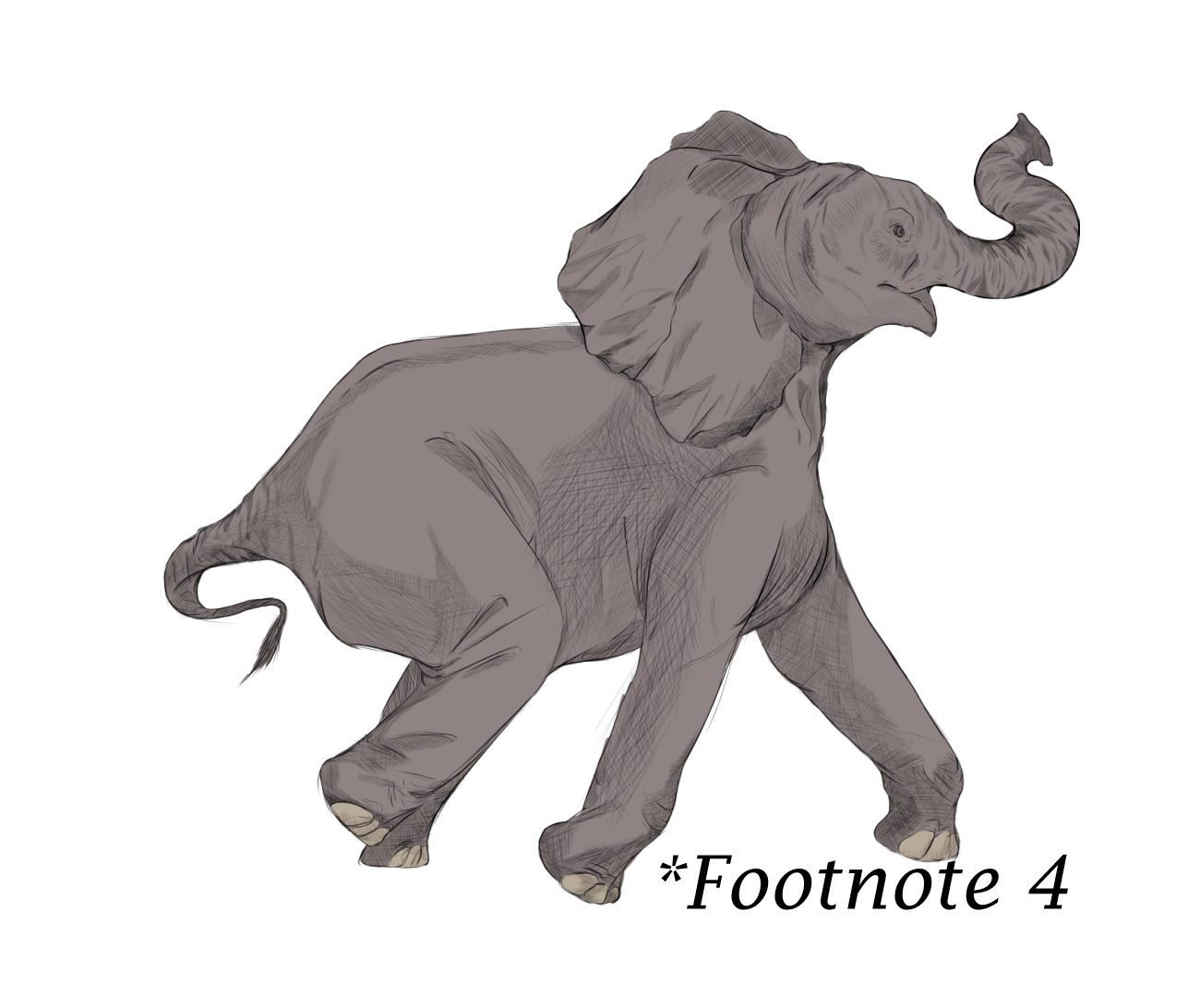
A belief is something you consider to be true. You cannot decide to believe one thing this week and another, opposing thing, next week. You might think you can, but it really doesn’t work like that. I read recently that baby circus elephants are tied to a strong metal post with a heavy chain because they will try to escape and expend a lot of energy on pulling at their tether. After some time, they accept that they will not be able to escape and so stop pulling. The adult elephants are tethered to a wooden stake with a light rope: they could easily escape, but they believe they are unable to do so, and so the light tethering works as a kind of symbol of their bondage. It is clear that whether your beliefs are true or not is irrelevant. What matters is what you regard to be true. It seems to me that this is a good definition of ‘belief.’
People believe all sorts of things for all sorts of reasons. Some beliefs are trivial and others are very important, but two things are certain:
Our underlying beliefs operate at a deep, subconscious level, and
These underlying beliefs affect what we experience in life, including our level of success or failure in any endeavor.
Where do these beliefs come from?
Philip Larkin said ‘They f**k you up, your mum and dad.’ Which might seem a bit cruel, but then he did admit that ‘they do not mean to, but they do.’ What he’s saying, of course, is that we learn our worldview from our parents, and if our parents think that life is a struggle and that money and success don’t come easily, then this will be our ‘defaults mode,’ too. We spend many years being ‘drip fed’ these beliefs and they get embedded deep in our subconscious. It’s fine to say ‘just change your beliefs,’ but it’s not always so easy. We have picked up many limiting beliefs from parents, teachers, friends, religion (dare I say?) and society in general. Some of these beliefs are holding us back, so doesn’t it make sense that we should want to shed them?
Do we really want to get rid of these beliefs?
Actually, it’s not that simple. We can get a tremendous payback from some apparently harmful and limiting beliefs. I’m sure we all know people who seem to identify themselves as a victim, believing that they are helpless and needing someone to look after them or ‘save’ them. These people get a feeling of security (they don’t have to try to be better or take any risks because they know it’s pointless and they will fail), and they get people running around after them, looking after them.
We need to look at our beliefs and examine what kind of payback we are getting from them and so why we might not want to let go of them. Some examples of limiting beliefs might be:
Everyone is selfish
People are always trying to rip you off
There isn’t enough to go around so you have to grab what you can
You can be struck down by circumstances (illness, accident) at any time
It’s not my fault that my life is like this
All of these beliefs do something for us; they give us some validation or some comfort. But they are simply beliefs. Deeply engrained, to be sure, but only beliefs and so susceptible to change. Shedding these beliefs may cause some pain, but growth is often accompanied by pain, and I am confident that they pain of growth is a small price for the loss of a lifetime of limitation.
Change your beliefs and change your life
And so that brings us to the good news – you CAN change your beliefs. I suggest three steps for doing this:
Identify a limiting belief (eg Things just happen. I’m not in control of my life)
Cast the belief in a different way (I am in control and I consciously orchestrate my experience)
Look around for evidence of this new belief. You WILL find it! After a while, this will sink in and you will start to think the new belief is ‘true.’
In a sense, I’m suggesting that you brainwash yourself. This may sound negative, but remember that you’ve already been brainwashed into negative thinking, so some reprogramming won’t hurt. Perhaps ‘condition yourself’ is a better phrase than ‘brainwash.’ It takes time, but you can do it if you really want to.
Beliefs to live by
I believe the following to be true and I see evidence of these statements around me all the time.
I orchestrate my own experience of life
Life is naturally abundant. There is enough for everyone
Life, when lived properly, is easy and happy
I don’t have to improve myself – I am already as valuable and worthwhile as anyone else
I can do anything if I apply myself in the right way
Circumstances arrange themselves and opportunities are presented for my greatest good
The tragedy of much adult life is that our vision is so limited. Like the elephant, we can walk away from our tether any time, but we often don’t because we are shackled by our false and limiting beliefs.
I want to end with a wonderful fable from Anthony de Mello, a man who really seemed to understand the human condition.
An eagle lays an egg but somehow the egg finds its way into a chicken coup. A chicken incubates the egg with all her others and when it hatches, she rears the eaglet as if it were one of her own chicks. It learns to peck the dust for food, to flap its wings and to strut around the farmyard. One day, an eagle flies by overhead. The little eagle looks up and sees this, and says to himself, ‘I wish I were an eagle – how majestic, how free, how beautiful to be like that and have such a life.’ The eagle lived like a chicken and died like a chicken, because that’s hat he thought he was.


 FOOTNOTE 4